Investing
The brand behind the stock: how investors can read brand strength
A company's quarterly results tell you what it earned. They say much less about whether customers will still choose it in five years. That second question is where brands come in. This is the first instalment of WCRC Leaders' series The Brand Behind the Stock, which looks at listed companies through the brands that earn their revenue. It starts with the basics: what brand strength is, why it matters to investors and how to read it without falling for advertising.
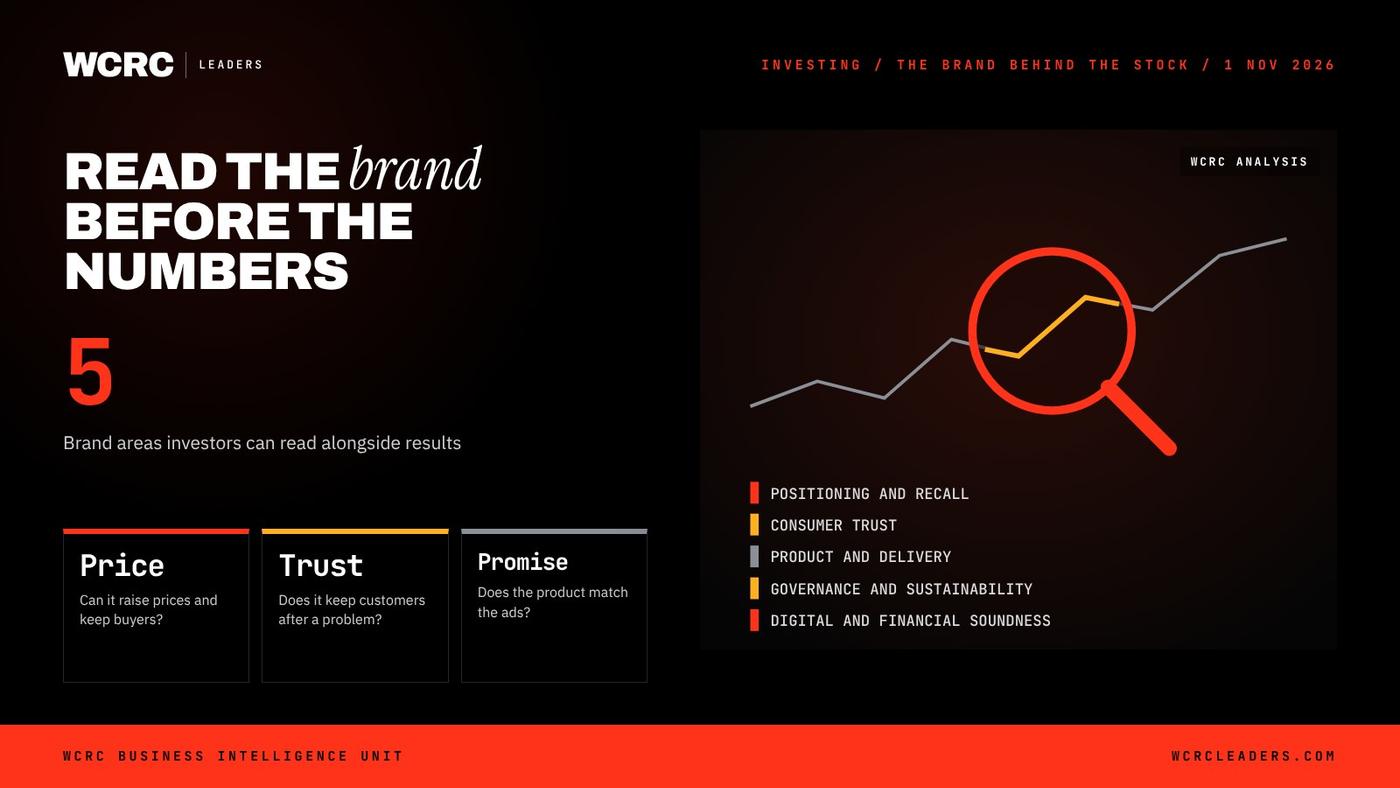
At a glance: WCRC Leaders' assessment: brand strength is not a number on a balance sheet, but it shows up in the numbers over time, in pricing, repeat buying, resilience in a downturn and the cost of winning customers. Investors who learn to read brand signals alongside financial statements get an earlier view of a company's staying power. Brand strength is a lens for questions, never a reason on its own to buy or sell.
| Brand signal | What an investor can look for |
|---|---|
| Positioning and recall | Do customers name the brand first in its category? |
| Consumer trust | Does it keep customers after a problem or a price rise? |
| Product and delivery | Does the product match what the advertising promises? |
| Governance and sustainability | Is reputation protected at board level? |
| Digital and financial soundness | Does it own its category online, and can it fund its brand? |
These five areas are the ones WCRC's MegaBrands research looks at. How MegaBrands weighs and measures them is described only in WCRC's reports.
Why brands matter to investors
Accounting rules mostly keep brands off the balance sheet unless a company buys one in an acquisition. A business that has spent decades building a household name may show none of that value in its reported assets. Yet the brand is often the reason it can charge more, sell more often and recover faster from a bad year.
Three things make brand strength visible to an investor over time:
- Pricing. A strong brand can raise prices without losing many customers. Gross margins that hold steady when input costs rise are often a brand signal.
- Repeat buying. Customers who come back without being chased reduce the cost of every sale. Falling marketing spend per unit of revenue, with steady sales, can point to a brand doing its job.
- Resilience. In a downturn, buyers cut back on unfamiliar names first. Brands that hold their share through a slowdown often gain it when conditions improve.
None of these proves that a stock is cheap or expensive. A strong brand can be fully priced into a share, and a weak brand can sit inside a cheap one. Brand strength tells an investor about the business, not about the price.
How WCRC reads brands
WCRC's MegaBrands research measures perceived brand power, not financial valuation. It looks across positioning and recall, consumer trust, product and delivery, governance and sustainability, and digital and financial soundness. That distinction matters for investors. MegaBrands asks how strong a brand is in the minds of the people who buy from it, which is a different question from what the company is worth on the stock market.
WCRC's Brand & Marketing Codex sets out 20 models for specific brand questions. Five of them are especially useful to an investor:
- Price Power Model: how much premium a brand can charge before buyers switch. This is the brand question closest to margins.
- Trust Equity Model: how much trust a brand holds and how much pressure it can absorb. This is the question to ask before a product recall, a scandal or a price rise.
- Promise Gap Model: the distance between what a brand claims and what it delivers. A widening gap is an early warning that advertising is doing work the product cannot.
- Governance Shield: whether reputation is protected at board level. Brand damage often starts as a governance failure.
- Spend-to-Power Ratio: brand power gained per unit of marketing spend. Two companies can spend the same on advertising and get very different results.
The full methods behind these models are in WCRC's reports, and evidence is available on request. This series uses the models as frames for asking questions about public facts; it does not publish scores for listed companies unless a WCRC report already does.
Brand signals in the news this month
Recent stories on WCRC Leaders show the lens at work.
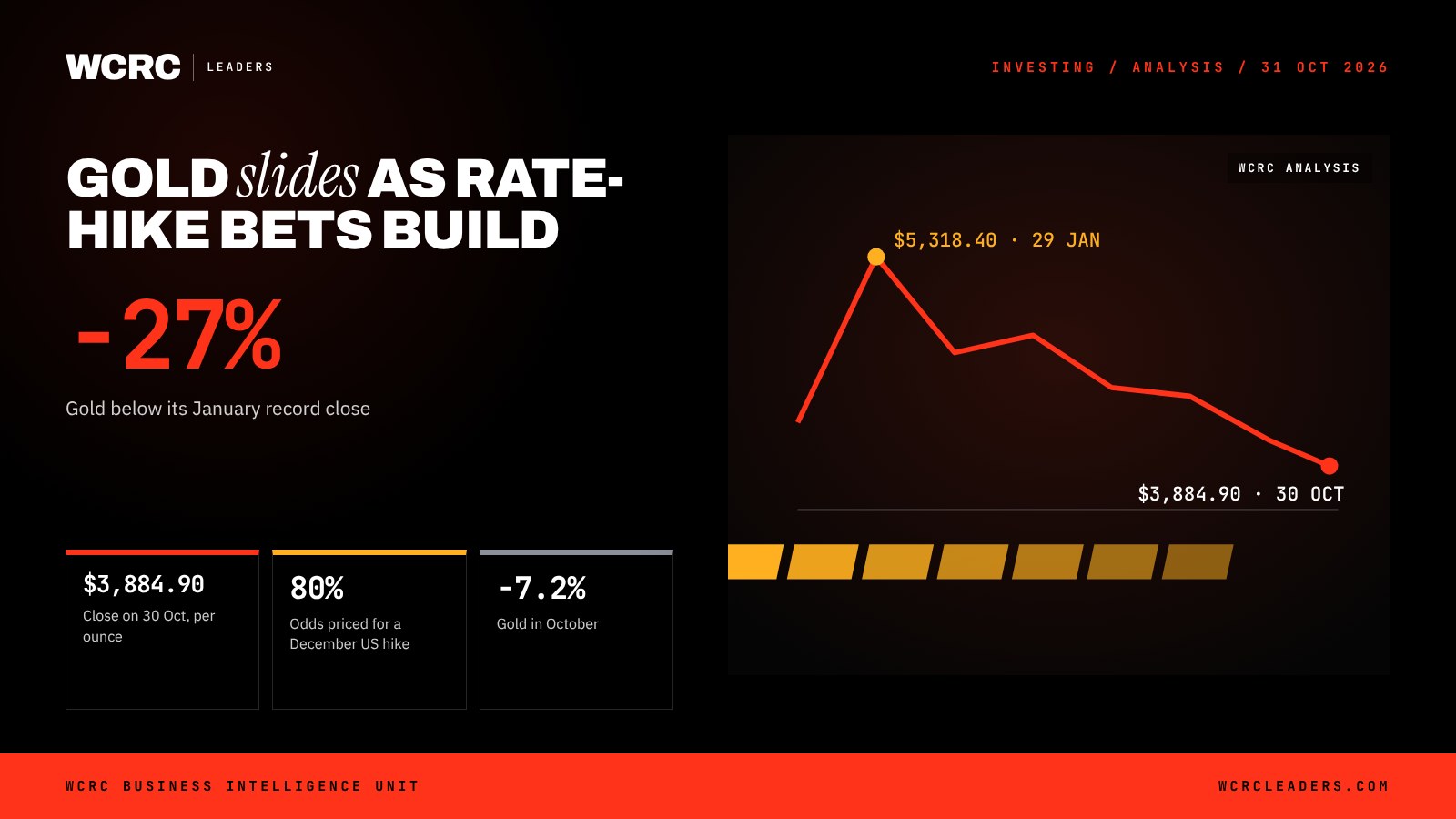
- Gold and jewellers. With gold about 27% below its January record, branded jewellers compete on purity, hallmarking and buy-back terms. Trust, not the metal price, is what separates them. That is a Trust Equity question.
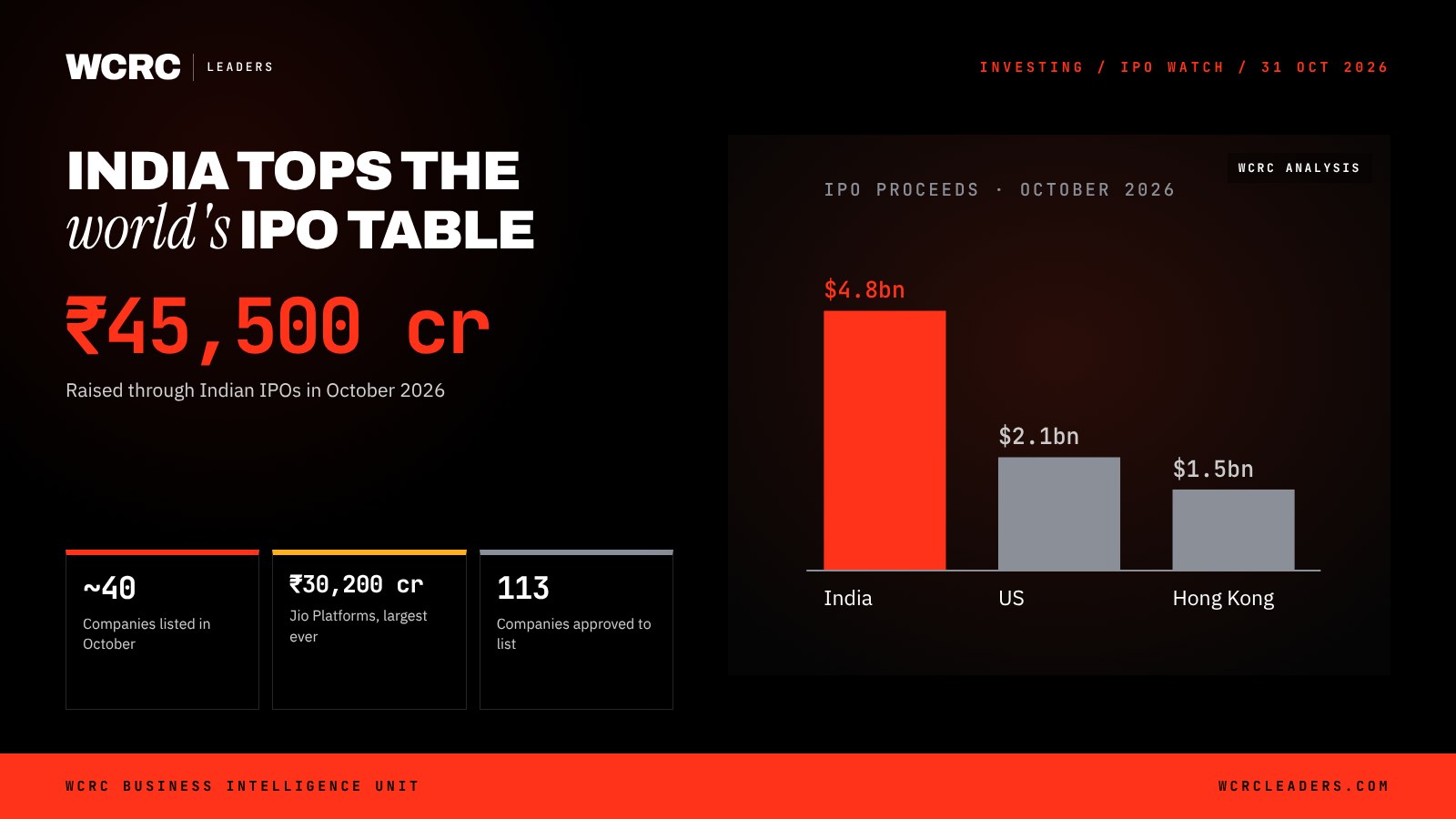
- IPOs. India was the world's biggest IPO market in October, with about ₹45,500 crore raised. For a company listing for the first time, the brand is often the main thing retail investors know about it. That makes brand strength a real factor in how an IPO is received, and a reason to read the prospectus rather than rely on familiarity.
- AI assistants. ChatGPT and Gemini each passed one billion users this year. Their race is as much about trust and habit as about technology, and their parent companies' valuations reflect brand expectations as well as current revenue.
Four questions to ask about any listed brand
- Does it hold price? Look at gross margins across several years, especially when costs rose.
- Do customers come back? Look for repeat-purchase or retention data in annual reports and investor presentations.
- Does the product match the promise? Read complaints, recalls and regulatory notices, not just the advertising.
- Who protects the brand at the top? Read the governance section of the annual report. A board that discusses reputation and customer trust is a better sign than one that does not.
The leadership view
Brands are built and destroyed by leadership decisions. In the terms of WCRC's leadership parameters, Stakeholder Trust is the bridge between a strong brand and a strong company: customers, employees, regulators and investors all have to believe the company will keep its word.
WCRC's Guru Management Codex model SeeClear, which asks leaders to separate fact from projection, applies to investors too. "Everyone knows this brand" is a feeling. Steady margins, repeat buyers and a clean governance record are facts. Investors should invest on facts and treat familiarity with caution, because the brands we know best are also the ones most likely to be priced for perfection.
The WCRC View
Brand strength is one of the most important things about a business that financial statements do not show directly. It shows up over time in pricing, loyalty and resilience. Investors who learn to read brand signals get an earlier view of which companies can keep earning, and which are relying on advertising to hide a promise gap. But a strong brand is not a buy signal. It is a reason to look harder at the numbers and the price. Future instalments of The Brand Behind the Stock will apply this lens to individual listed companies and sectors.
WCRC models applied: MegaBrands; Brand & Marketing Codex (Price Power Model, Trust Equity Model, Promise Gap Model, Governance Shield, Spend-to-Power Ratio); WCRC leadership parameters (Stakeholder Trust); Guru Management Codex (SeeClear).
This article is for information only and is not investment advice. Speak to a registered adviser before investing.
Gold is 27% below its record: what the slide means for India
India tops the world's IPO table in October with ₹45,500 crore raised
What a US rate hike would mean for India: your loan, the rupee, your SIP and gold
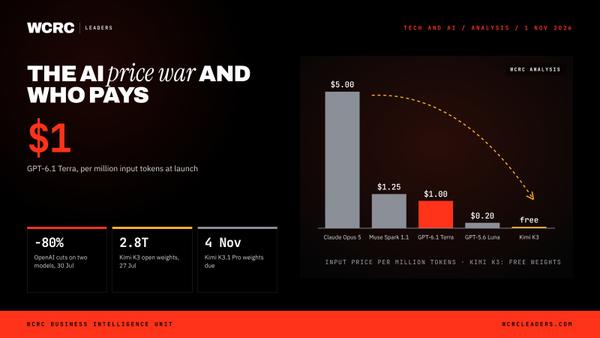
The AI price war: why intelligence keeps getting cheaper, and who pays for it
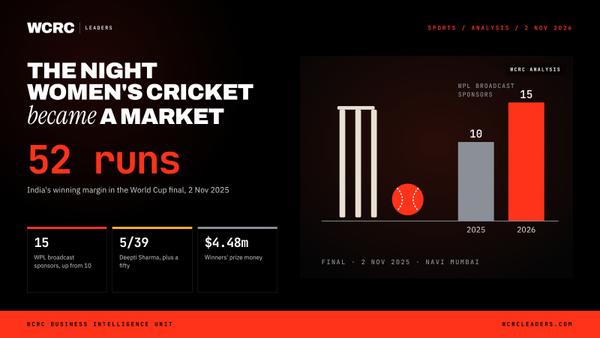
One year on: how India's World Cup win changed the business of women's cricket
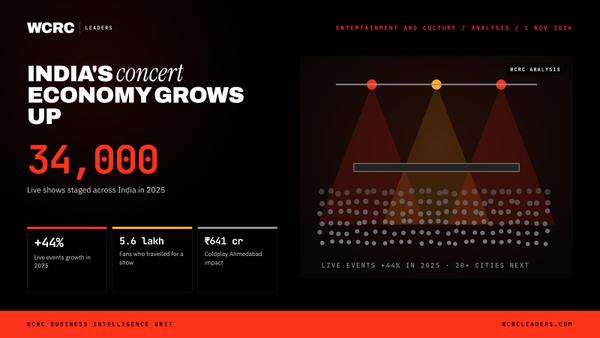
India's concert economy: why live events became entertainment's fastest-growing business
Filed under