Investing
Gold is 27% below its record: what the slide means for India
Gold futures closed at $3,884.90 an ounce on Friday, 30 October, down 3.6% on the day and 27% below their record close of $5,318.40 on 29 January. October was gold's second straight monthly fall. For India, the world's second-largest gold market, the slide changes the arithmetic for households, jewellers and the import bill at once.
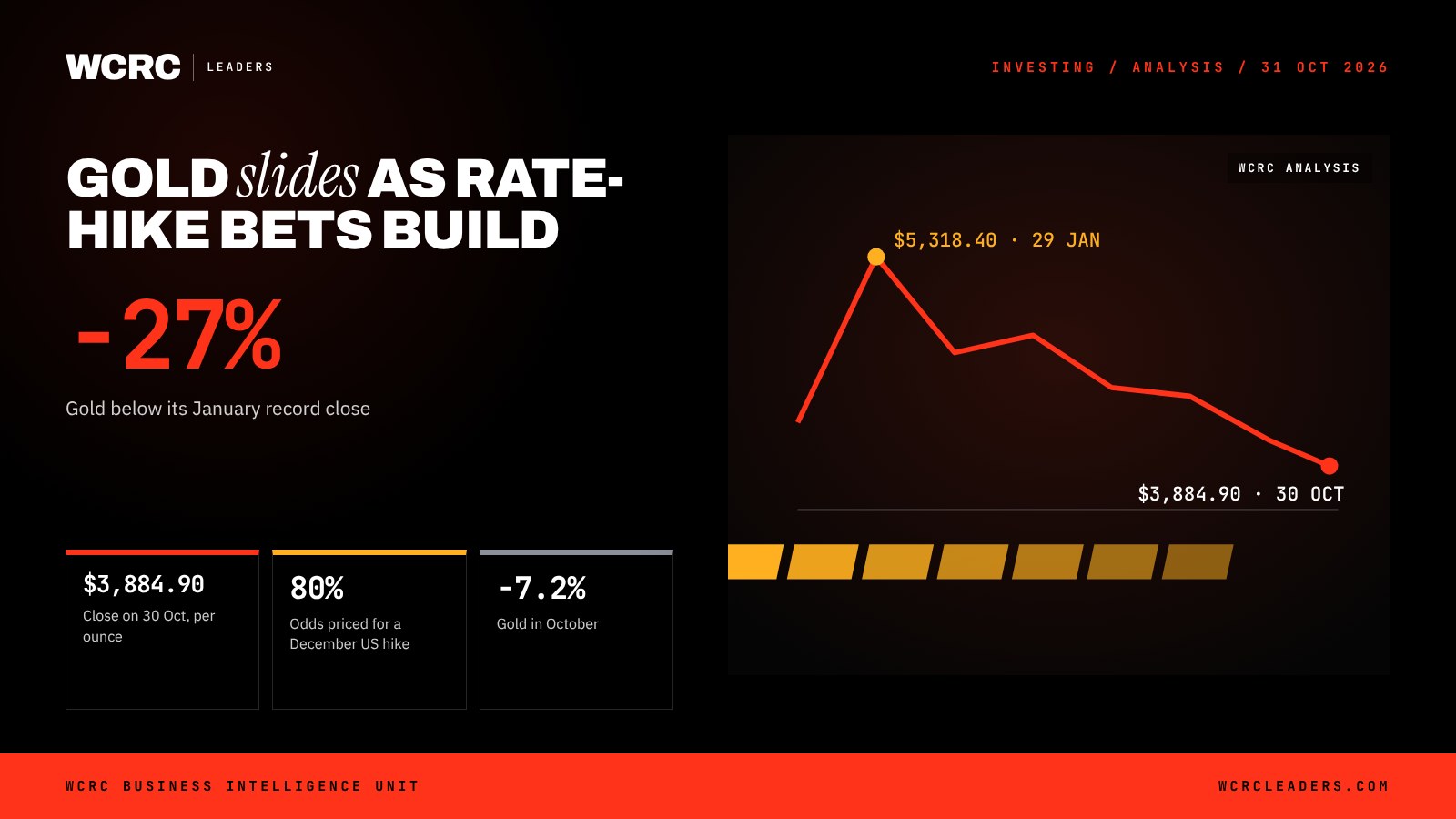
At a glance: WCRC Leaders' assessment: gold's fall is driven by the expectation of higher US interest rates, not by a collapse in demand. Futures markets price about an 80% chance of a US rate rise in December. For Indian households, whose savings lean heavily on gold, the paper value of that savings has fallen. For jewellery brands, lower prices can revive buying ahead of the wedding season.
| Fact | Figure |
|---|---|
| Gold close, 30 Oct 2026 | $3,884.90 an ounce |
| Fall on the day | 3.6% |
| Record close | $5,318.40 (29 Jan 2026) |
| Below record | about 27% |
| Change in 2026 so far | down 10.5% |
| October change | down 7.2% |
| Silver | around $50, its lowest this year |
Why gold is falling
Three forces are at work.
Rates. The US Federal Reserve held its key rate at 3.75% to 4.00% on 28 October, but two officials voted for a rise. Futures markets now price about an 80% chance of a hike in December. Gold pays no interest, so when rates rise, bonds and deposits look better by comparison.
Oil and inflation. Renewed attacks on shipping in the Strait of Hormuz have pushed oil higher. Higher oil feeds inflation, which strengthens the case for higher rates, which in turn weighs on gold.
Selling for cash. Gold more than doubled in the two years before January's record. When stock markets fell, some investors sold gold to raise cash, locking in earlier gains.
The fall did not start in October. Gold dropped 10.8% in a single day on 30 January, the day after its record, when Kevin Warsh was nominated as Fed chair.
What it means for Indian households
Indian households hold a large share of their wealth in gold jewellery and coins. A 27% fall from the peak lowers the paper value of those holdings, but most of that gold is not for sale; it is held across generations.
The more practical effect is on new buying. Lower prices make wedding-season jewellery more affordable, and families who delayed purchases at the record may return. Households using gold loans should note the other side: lenders value collateral at market prices, so a lower gold price reduces how much can be borrowed against the same jewellery.
What it means for jewellery brands
Read through WCRC's MegaBrands lens, which looks at consumer trust, product and delivery, and financial soundness, branded jewellers are better placed than the unorganised market in a falling price cycle. Buyers who worry about price swings lean on the brands they trust for purity and buy-back terms.
WCRC's Trust Equity Model measures how much pressure a brand's trust can absorb. In gold, trust is the product: hallmarking, exchange policy and transparent making charges matter more when prices move fast. The Price Power Model adds a second test: brands that sell on design and craft can hold their margins when the metal price falls; brands that sell on weight cannot.
The leadership view
For finance heads and treasury teams, the lesson sits in WCRC's leadership parameter of Resilience Factor: the ability to plan for a price that can fall 10% in a day. The Guru Management Codex model SeeClear, which asks leaders to separate fact from projection, is the right discipline here. A record price is not a promise that prices will keep rising, and a 27% fall is not a promise that they will keep falling.
The WCRC View
Gold's slide is a rates story first and a demand story second. For Indian households, the paper loss matters less than the opportunity to buy at lower prices for real needs such as weddings. For jewellery brands, it is a test of trust: the brands that customers believe on purity and buy-back terms will gain share while the price settles. The December Fed meeting is the next date to watch.
WCRC models applied: MegaBrands; Brand & Marketing Codex (Trust Equity Model, Price Power Model); WCRC leadership parameters (Resilience Factor); Guru Management Codex (SeeClear).
This article is for information only and is not investment advice. Speak to a registered adviser before investing.
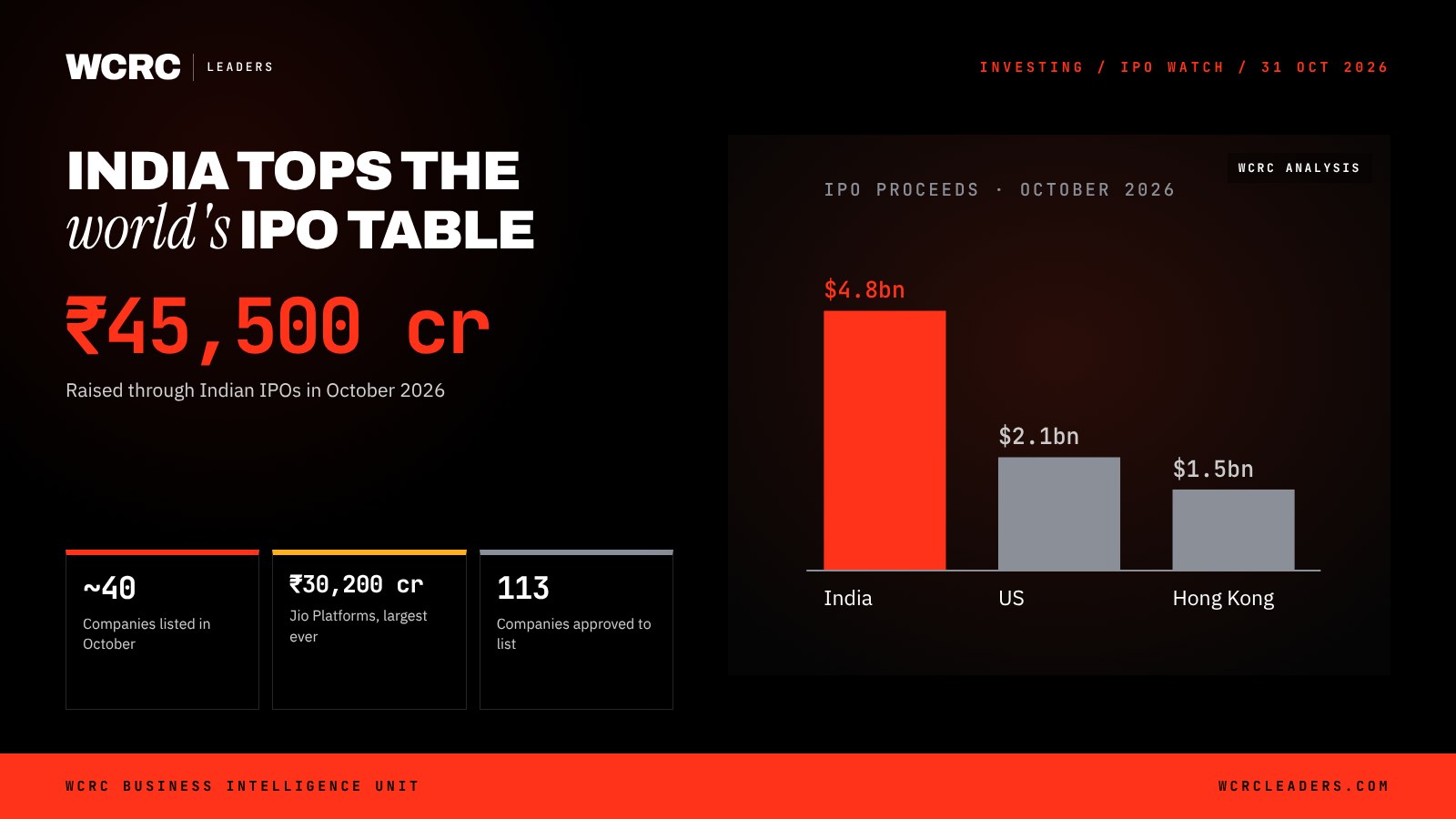
India tops the world's IPO table in October with ₹45,500 crore raised
Adani Ports raises FY27 capex by ₹3,000 crore as overseas ports surge
Vedanta doubles Gamsberg, and Ramaphosa now wants a zinc smelter
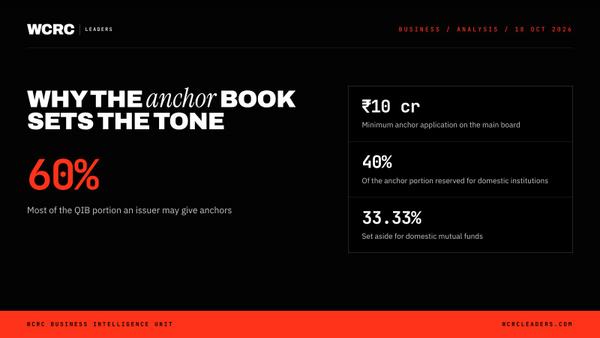
Anchor investors in Indian IPOs: why the 60% book sets the tone

Boston Dynamics picks an AI-model leader to run a robot company
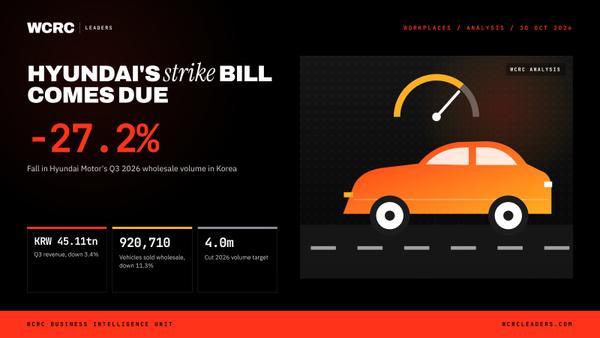
Hyundai's 27% home slump: the boardroom price of a labour dispute
Filed under