Recognitions
Hindustan Unilever's 15% quarter: Priya Nair's volume-led reset
Hindustan Unilever has posted its fastest underlying sales growth in 14 quarters, and seven points of it came from people buying more. Fifteen months into Priya Nair's tenure, the September quarter is the first hard evidence that her brand reset is working, and the clearest read yet on Indian consumer demand.
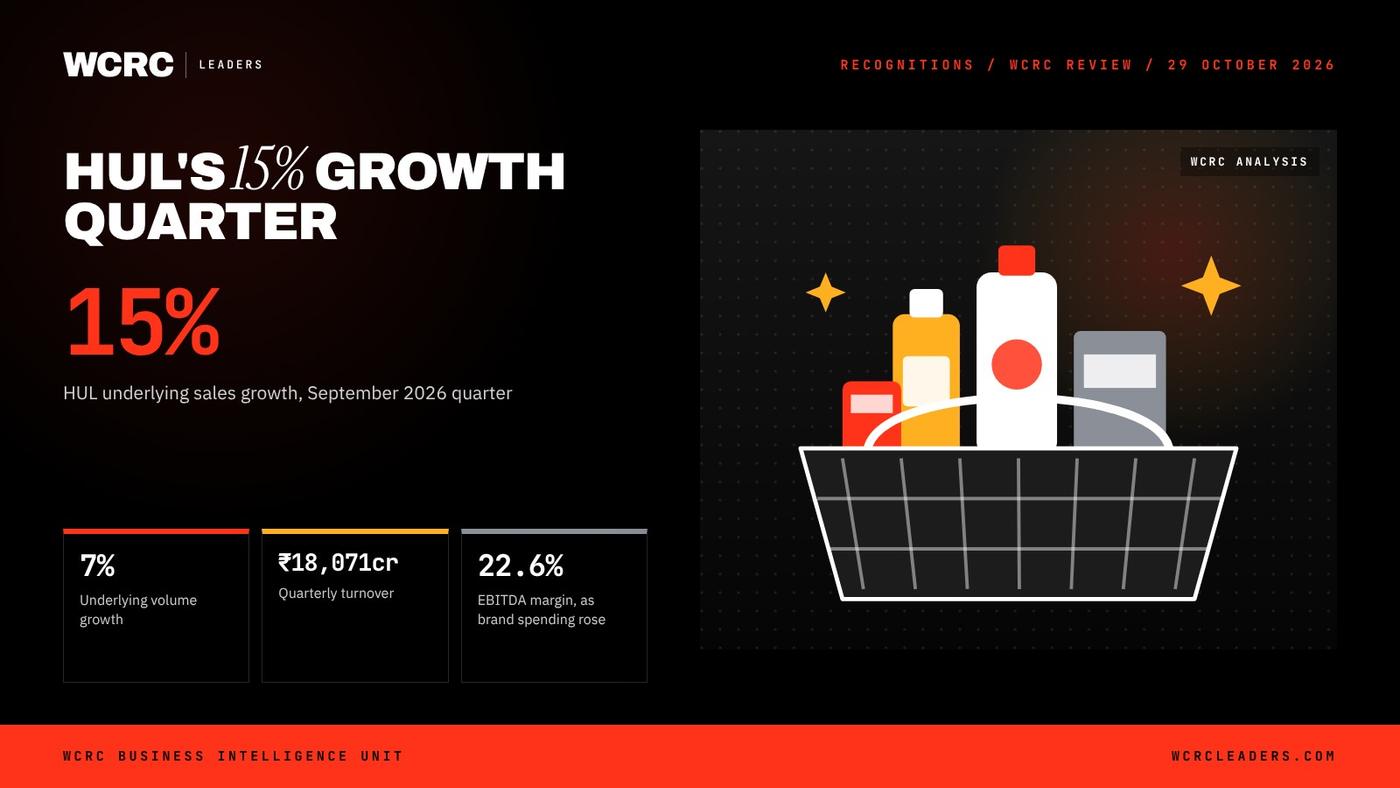
At a glance: WCRC Leaders' assessment: HUL's quarter shows Indian demand is back at both ends of the market, but boards should read it as a recovery from a disrupted base, not a boom. On 28 October 2026, Hindustan Unilever reported turnover of ₹18,071 crore for the quarter to 30 September, with 15% underlying sales growth and 7% underlying volume growth. Home Care grew 22% and Beauty & Wellbeing 16%. EBITDA rose 8% to ₹4,089 crore, while margin eased to 22.6% as the company kept investing in its brands.
What did Hindustan Unilever actually report?
Hindustan Unilever, one of WCRC 1000, India's Most Valuable Enterprises 2026, said its underlying sales growth (USG) of 15% in the September quarter was "our highest in the last 14 quarters", in the words of CEO and Managing Director Priya Nair, who was selected among Asia's Top 100 Emerging Leaders 2026 by the Business Intelligence Unit of WCRC.
Turnover was ₹18,071 crore. Underlying volume growth (UVG) was 7%. EBITDA rose 8% to ₹4,089 crore, a margin of 22.6%, which the company said was within its guided range. Profit after tax before exceptional items rose 9%.
Reported profit after tax was ₹2,796 crore, unchanged on a year earlier, because the September 2025 quarter included one-off tax gains of ₹273 crore booked as exceptional items.
For the first half of the financial year, turnover was ₹35,255 crore, with USG of 12% and UVG of 6%. The board declared an interim dividend of ₹19 per share, the same interim payout it declared a year ago.
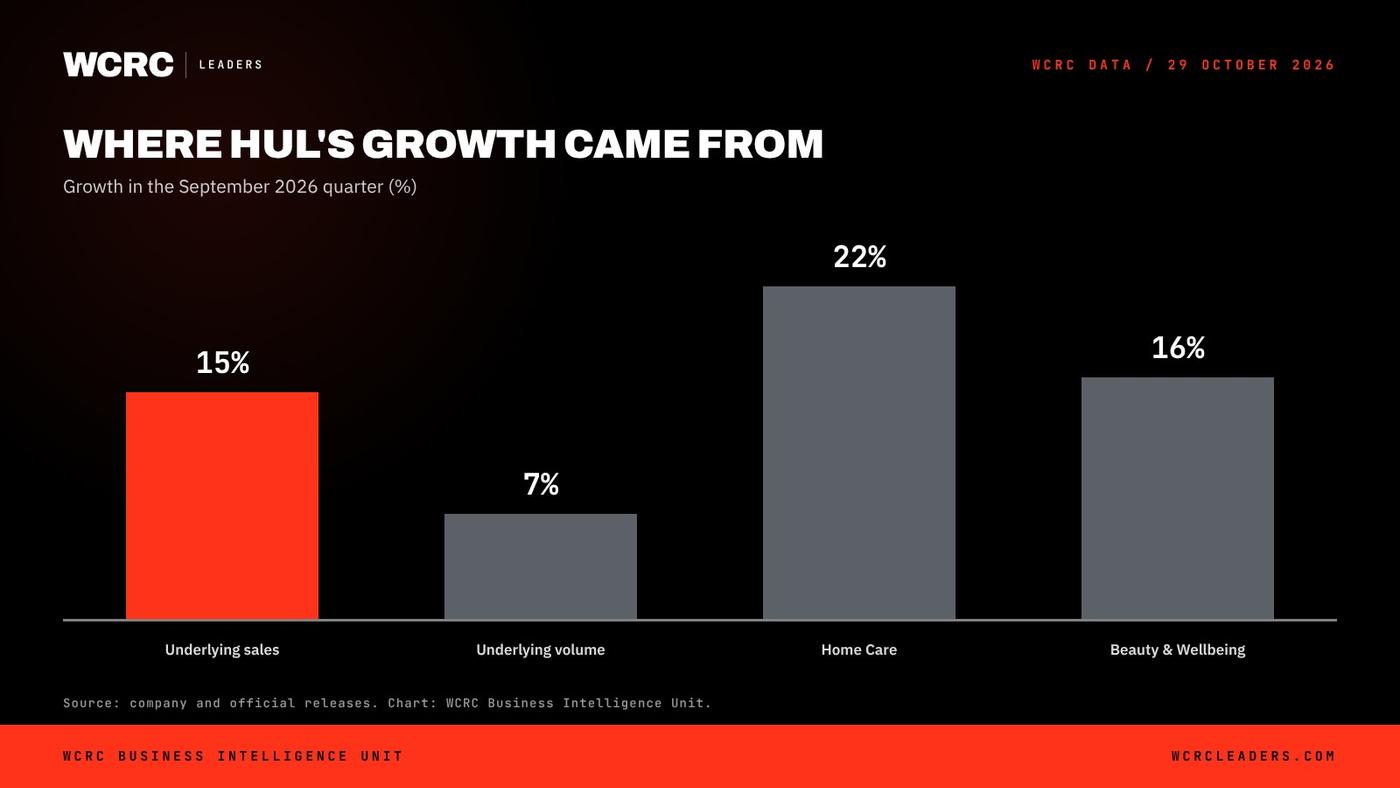
Where did the growth come from?
Home Care grew 22%, led by double-digit volume growth. HUL credited "calibrated pricing actions" for lifting penetration, and named Surf excel, a WCRC MegaBrand in laundry detergents, and Rin. Liquids grew strongly. The company also cited a Surf excel Easy Wash pack at ₹99, a price point aimed squarely at households trading up from bars and loose powder.
Beauty & Wellbeing grew 16%, again on double-digit volumes. Hair care and premium skin care performed well, with Simple, Vaseline, Dove, a WCRC MegaBrand in body wash and shower, and Minimalist cited. Dove body serum lotions were singled out.
Personal Care grew 9%. Skin cleansing grew double digits through Pears and Dove bars, and a relaunched Lux, a WCRC MegaBrand in soaps and bathing bars, featured. Oral care grew only in low single digits.
Foods grew 9%, but volume growth was low single digit, so most of that came from price and mix. Lifestyle nutrition and packaged foods both grew double digits, helped by Horlicks, including a new protein powder and biscuits, and by Kissan, a WCRC MegaBrand in sauces, ketchup and condiments. Coffee grew high single digits.
How much of this is a base effect?
A year ago, in the September 2025 quarter, HUL reported USG of just 2% and flat volumes. Its own release at the time blamed a "transitory impact" of GST rate changes as trade and shoppers adjusted, along with a prolonged monsoon. Home Care was flat, Personal Care turnover was flat and Beauty & Wellbeing grew 5%.
WCRC analysis: Measured over two years, USG of 2% followed by 15% works out to roughly 8% a year, and volumes of flat followed by 7% to about 3.5% a year. Healthy for HUL's size, but not the step change the headline suggests. The telling signal is that volumes led in the two biggest growth segments.
EBITDA margin was 23.2% a year ago and is 22.6% now. Operating profit grew 8% against sales growth of 15%. WCRC analysis: HUL is choosing to spend part of the recovery on advertising, pricing and distribution to defend share, rather than banking it. Read through WCRC's Spend-to-Power Ratio, a Brand & Marketing Codex model that asks how much brand power each unit of marketing spend buys, the 0.6 points of margin given up are only worth it if they buy lasting strength. Double-digit volumes in the two lead segments suggest, so far, that they are.
What is Priya Nair's brand reset?
Nair took over as CEO and Managing Director on 1 August 2025, succeeding Rohit Jawa. She joined HUL in 1995 and ran Home Care as Executive Director from 2014 to 2020, then Beauty & Personal Care until 2022. She was later Global Chief Marketing Officer and then President of Unilever's Beauty & Wellbeing business.
In the results release she said HUL remains "anchored to the 'Winning in New India' strategy of delivering competitive, volume-led profit growth", and attributed the 7% volume growth to focus on desirable brands and a future-fit route to market.
WCRC analysis: The quarter shows three parts of that reset in action.
- Two ends of the market at once. A ₹99 Surf excel pack and Dove body serum lotions grew in the same quarter. In the terms of WCRC's Price Power Model, which asks how much premium a brand can charge before buyers switch, Dove is testing the top of the ladder while Surf excel lowers the entry step. Price-led Foods will test that premium hardest.
- The portfolio is tilting to where Nair came from. Beauty & Wellbeing, the business she ran globally, is now growing in double digits on volume, with premium skin care brands such as Simple and Minimalist in the mix.
- Relaunch, not just reprice. Lux was relaunched, Horlicks added protein products and Home Care pushed liquids. Read through WCRC's Brand Stretch Model, Horlicks protein powder and Dove body serum lotions bet that a trusted name carries into a new format.
Surf excel, Dove, Lux and Kissan, all WCRC MegaBrands, featured in the growth. MegaBrands reads brand power through areas including positioning and recall, consumer trust, and product and delivery. WCRC analysis: the Lux relaunch and the ₹99 Surf excel pack are product and delivery moves; they will hold only if recall and trust follow.
The laggards are telling too. Oral care and the volume side of Foods remain soft, the categories where the reset has yet to reach shoppers' baskets.
What does this say about Indian consumer demand?
Nair said the Indian economy "remains resilient, with healthy macro indicators supporting a positive consumption environment." HUL's numbers support that, with caveats.
The positive read is breadth. Volume growth across mass laundry and premium skin care in one quarter means demand is not confined to one income band.
The caution is the cost backdrop. The Reserve Bank of India raised rates in October for the first time since 2023 (see what India's first rate hike since 2023 means for capex), and wholesale prices have run well ahead of retail (see India's wholesale inflation and the margin squeeze). HUL's slightly lower margin suggests it is absorbing some input cost rather than passing it all on. If costs keep rising, the room for "calibrated pricing" narrows.
What does it mean for CEOs and boards in India, the Gulf and Asia?
For Indian boards, HUL is the closest thing the consumer economy has to a quarterly census. It shows demand has recovered from last year's GST disruption, and that volume can be bought back without wrecking margin.
For Gulf and Asian groups with Indian consumer exposure, the lesson is pricing architecture: growth came from both a sub-₹100 pack and premium formats, which argues for portfolios that span the ladder.
HUL was named among India's Most Loved 250 Workplaces 2026 by the Business Intelligence Unit of WCRC. Read through WCRC's CultureCrest framework, whose parameters include innovation, career development and engagement, a reset built on relaunches depends on the people inside as much as the spend outside. WCRC has also profiled the company among India's Most Powerful Brands, in its review of Hindustan Unilever's brand portfolio.
The WCRC View
The call. This is a genuine, volume-led recovery, but from a weak base. The two-year picture, about 8% a year in sales and 3.5% in volume, is the number boards should plan around, not 15%.
Who gains. Brand owners with a full price ladder gain most. HUL's ₹99 laundry pack and premium serum lotions grew together: Price Power at the top, access at the bottom.
Who is exposed. Single-segment players relying on price increases alone, if input costs keep climbing after the October rate rise. Foods shows how quickly growth turns into price.
What leaders should do now. Test whether growth is volume or price, segment by segment. Build entry price points before costs force the issue. Treat margin as an investment budget within a stated range, as HUL does, and hold it to a Spend-to-Power test: spend that is not building recall and trust is renting volume. Stretch trusted names into new formats, as with Horlicks protein, only where the product can earn the name.
What WCRC will watch. Whether volume growth holds above 5% in the December quarter once the soft base drops out, whether Personal Care and Foods volumes follow Home Care and Beauty & Wellbeing, and whether EBITDA margin stays within HUL's guided range as cost pressure builds.
WCRC models applied: Spend-to-Power Ratio, Price Power Model and Brand Stretch Model (Brand & Marketing Codex); MegaBrands areas of positioning and recall, consumer trust, and product and delivery; CultureCrest 5-Parameter Framework.
Quick answers
Q: What was Hindustan Unilever's growth in the September 2026 quarter? A: Underlying sales growth was 15%, the highest in 14 quarters, with underlying volume growth of 7% on turnover of ₹18,071 crore.
Q: Why was HUL's reported profit flat? A: Reported profit after tax was ₹2,796 crore, flat, because the year-ago quarter included ₹273 crore of one-off tax gains. Profit before exceptional items rose 9%.
Q: Which segments grew fastest? A: Home Care grew 22% and Beauty & Wellbeing 16%, both on double-digit volume growth. Personal Care and Foods each grew 9%.
Q: Who leads Hindustan Unilever? A: Priya Nair has been CEO and Managing Director since 1 August 2025. She joined HUL in 1995 and previously led Unilever's global Beauty & Wellbeing business.
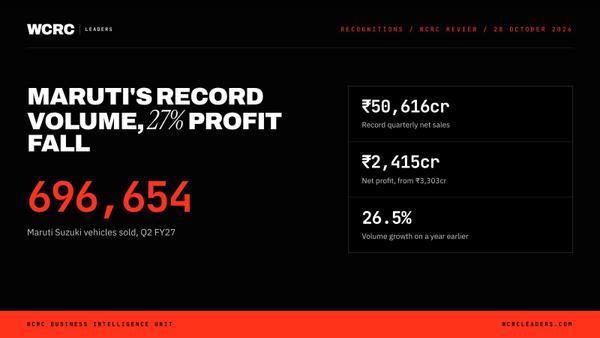
Maruti Suzuki sells a record 696,654 cars as quarterly profit falls 27%
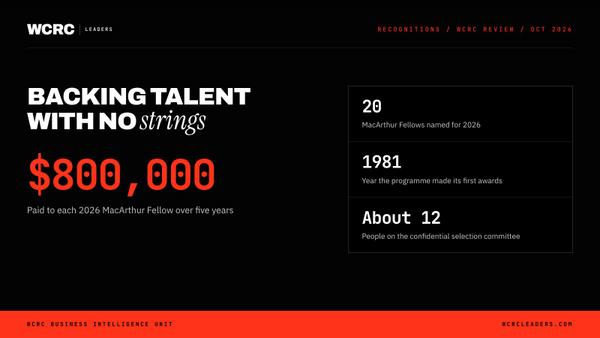
No strings attached: what the MacArthur model teaches about recognising talent
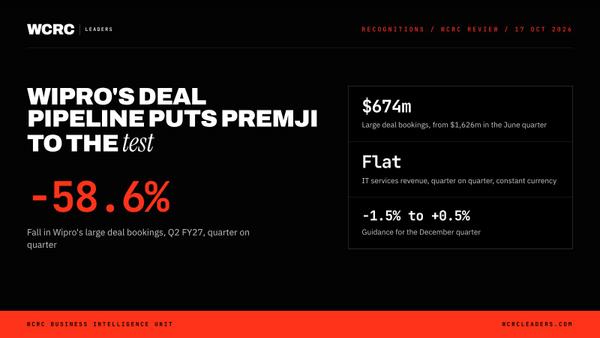
Wipro's 58.6% large-deal drop puts Rishad Premji to the test
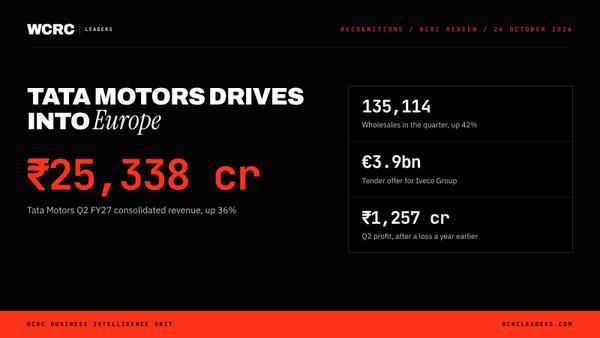
Tata Motors posts 42% volume jump as its €3.9bn Iveco bid nears close

The 'alternative Nobel' goes to an AI accountability pioneer

What makes a business recognition credible
Filed under